Popular Posts


PetSafe® Brand Educates Pet Owners about How to Prevent Strangulation and Injuries During Collar Safety Awareness Week

Tuesday, October 11, 2016 Comments

Brand celebrates second annual Collar Safety Awareness Week, October 16-22, 2016, to coincide with National Animal Safety and Protection Month
 
Breakaway collars help prevent collar-related accidents and injuries.
 
KNOXVILLE, Tenn. (October 11, 2016) – According to the American Pet Products Association (APPA), more than 19 million dogs wear a collar daily. While commonly viewed as a form of protection and safety, an upwards of 26,000 collar strangulation accidents occur yearly in homes and establishments across the country. Crates and kennels, playing with other dogs, fences, heating/cooling vents, shrubs and branches are a few of the most common strangulation hazards dogs face each day.
 
To help educate pet owners  and professionals about the risks of strangulation and dangers associated with traditional collars, PetSafe® Brand is sponsoring its second annual Collar Safety Awareness Week, October 16-22, as part of National Animal Safety and Protection Month. 
 
“A survey of veterinarians, trainers and doggy daycares found that more than 50 percent have experienced a collar-related accident with a dog. The number one most common way collar accidents occur is when dogs are playing together and one dog gets snagged in the collar,” said Toni Mark, KPA-CTP, MA, Training and Behavior Education Specialist for PetSafe Brand. “By sponsoring Collar Safety Awareness Week for the second year in a row, we’re hoping that we can reduce the number of these tragedies by educating pet owners and professionals about the danger and frequency of collar strangulation accidents.”
 
Designed to prevent dogs from getting entangled by their collars, the PetSafe® KeepSafe® Break-Away Collar was invented by Tenney Mudge after the devastating loss of her beloved dog, Chinook, to a collar strangulation accident. The collar features a patented break-away safety buckle that releases when pressure is applied or it gets caught on something, allowing it to fall off harmlessly and reduce the risk of strangulation or injury to the pet. The KeepSafe collar also has a metal D-ring on each side of the breakaway buckle, which can be used to attach ID tags and can also be clipped together with a leash so pet parents can safely walk their dogs using the collar.
 
In addition to the KeepSafe Break-Away Collar, PetSafe Brand has developed an informative videoand infographic to help pet parents protect their dogs. To learn more about Collar Safety Awareness Week, please contact keepsafecollar@petsafe.net.

NATIONAL FERAL CAT DAY® IS OCTOBER 16

Monday, October 10, 2016 Comments

Local events listed at: NationalFeralCatDay.org/actions

BETHESDA, Md., USA – Oct. 10, 2016 – Cat advocates have scheduled over 1,000 events worldwide to join Alley Cat Allies in celebrating the 16th anniversary of National Feral Cat Day on Sunday, Oct. 16, 2016. Inspired by this year’s theme, “All Cats All Communities,” supporters from around the world are advocating for the lives of cats and educating their communities about humane policies, like Trap-Neuter-Return (TNR), that help save cats’ lives and protect all cats in all communities.

“For more than 26 years, Alley Cat Allies has been leading the movement to protect and improve the lives of cats everywhere, and this year’s National Feral Cat Day theme reflects that,” said Becky Robinson, president and founder of Alley Cat Allies. “From the pet cats in your home to the outdoor cats in communities around the world, all cats deserve our care and protection. Together, we are creating change that saves their lives.”
A full listing of events in local communities is located at NationalFeralCatDay.org/actions. Supporters worldwide have organized more events this year than any in the 16-year history of National Feral Cat Day. Volunteers in every corner of the world are holding spay/neuter clinics and food and supply drives, arranging educational sessions, hosting adoption events, encouraging official governmental proclamations, and raising funds to support local TNR programs.
Even if you have just five minutes available, there is still time to get involved and help raise awareness about the issues that impact all cats. Visit NationalFeralCatDay.org/ideas to see simple suggestions such as signing a pledge to protect the lives of cats, sharing a selfie on social media to display your National Feral Cat Day pride, or reading a newsletter. Visit www.NationalFeralCatDay.org/gear and find educational materials to inform others, and gear to show off your National Feral Cat Day pride.
Alley Cat Allies, the only national advocacy organization dedicated to the humane treatment of cats, launched National Feral Cat Day 2001 as a call to action to raise awareness about community cats, promote TNR as the only effective method of stabilizing cat populations, and empower and mobilize the millions of compassionate Americans who care about cats everywhere.
Follow all the activities for National Feral Cat Day on social media with the #feralcatday hashtag.

Madison woman charged with strangling cat

Thursday, January 14, 2016 Comments

Photo of Kayla Little from Twitter.
Kayla E. Little, 21, of Madison was charged today in Dane County Circuit Court with one count of mistreating animals causing death. According to the charging document, Little strangled her pet cat to death because it attacked her daughter. She told officers she felt as though she was "out of options", despite an earlier call to a veterinary clinic where she was given information on multiple organizations who would accept the cat. Little allegedly did not call the humane society because she didn't ask the veterinary office for the number, didn't have data on her phone to look it up, and didn't have a car to take the cat there for surrender. Instead, she admits to strangling the cat with her bare hands, stating "it felt like it took forever but think it was only a couple of minutes." The defendant also told officers she buried the cat in a box in the woods.

Little's next hearing will be held on February 1, 2016 at 1:30 PM at the Dane County Courthouse in Madison, WI.

Pets Helping People – Cats Against Cancer Has Raised Nearly $8 Million

Tuesday, October 6, 2015 Comments

ENGLEWOOD, Colo. (October 5, 2015) – When Kathy Elsey was diagnosed with multiple myeloma, the second most common blood cancer, she and her husband Dr. Bruce Elsey, co-founders of Dr. Elsey's Precious Cat, knew they had a unique position to combine corporate success with a bigger mission - enabling pets and their owners to participate in the fight against cancer. Through the Cats Against Cancer campaign nearly $8 million dollars has been raised to help the MMRF drive advancements in cancer research and find a cure.

The interactive Cats Against Cancer campaign will run through February 2016 and spans across Facebook, Twitter, and Instagram enabling users to share their individual experiences and support the campaign’s mission. As part of the campaign, users can download a coupon from the campaign landing page that allows them to save $3 on their next purchase of a 40-pound bag of Precious Cat Ultra Litter. For every $3 saved, Precious Cat will donate $3 to the MMRF.

“The Elsey Family and the Cats Against Cancer campaign have been a total game changer. Since our partnership with the Elseys and Precious Cat in 2009, nearly $16 million has been raised through their direct support and our matching year-end gift campaign,” says Walter Capone, CEO of the MMRF and chief believer in finding a cure.

Last year, the Cats Against Cancer campaign reached over two million people and received thousands of unique visitors over the span of five months. “This year we are excited to watch the campaign close in on the $8 million dollar mark. We chose to partner with the MMRF because they have a proven track record of results and one primary goal - finding a cure,” says Dr. Bruce Elsey of Precious Cat.

Make a difference now. Join the Cats Against Cancer movement and help find a cure by visiting http://www.preciouscat.com/save3. To learn more about this campaign, please contact Precious Cat at 877-311-2287 or email gina@preciouscat.com.

About Precious Cat Products
Dr. Bruce Elsey has been a practicing veterinarian for over 30 years and his practice cares for over 8,000 cats. Nonuse of the litter box is the number one behavioral reason cats are abused, abandoned, and placed in shelters. Dr. Elsey’s goal is to provide products that help cats live happier, healthier lives, and provide litter box solutions for the life of your cat. For more information, please visit our website, and follow news about our company on Facebook    

Would Your Dog Benefit from an Invisible Fence? (+ BONUS AMAZON GIFT CARD GIVEAWAY!!)

Monday, May 18, 2015 Comments

NOTE: Giveaway entry form is at the END of the post!


Invisible dog fences are versatile and reliable methods of containment that can be used in just about any yard. Some dogs, however, benefit more from invisible fences than others. If you answer “yes” to any of these questions, an invisible dog fence might be worth looking into.

Is Your Dog an Escape Artist?
If keeping your dog in your yard is a challenge, an invisible fence is an option you might want to explore. Invisible dog fences are particularly effective for the most stubborn dogs, because they use both warning beeps and then mild corrective shocks to deter dogs from approaching their boundaries. With traditional fences, dogs are able to dig underneath, jump over, or wriggle through, because nothing prevents them from spending whatever time and effort it takes to get free. An electronic dog fence can effectively contain the stealthiest escape artists.

Is Your Dog Aggressive?
An aggressive dog can be a liability if they get out of your yard - they can also be a danger if a child or animal wanders into your yard. For these reasons, one type of fence may not be enough to mitigate the risk that comes with owning an aggressive dog. If you have a traditional fence already, it’s a smart move to add an underground dog fence as another layer of protection. A traditional fence will stop people and most animals from entering your yard, and an invisible fence will help ensure your dog doesn’t find a way out. For aggressive dogs, a PetSafe YardMax Stubborn Dog e-collar is recommended, because it uses a higher level of correction.

Is Your Dog in Good Health?
Dogs must be in good overall health to use an invisible dog fence. E-collars are not recommended for use on dogs that are infirm or pregnant. After pregnancy, or after your dog has recovered from an illness, e-collars can be used. However, dogs with chronic illnesses that significantly impact their mental or physical health shouldn’t be trained on an invisible fence. An electric dog fence is fine to use on all dogs that are healthy and older than six months.

Is Your Dog Mischievous?
Some dogs are so playful and curious that they simply can’t stop themselves from getting into mischief. Dogs who love to dig, for example, can tear up gardens and flower beds. If you have chickens or other animals on your property, your dog may not be able to resist chasing after them. An invisible fence or a wireless dog fence is an excellent tool for keeping dogs in their own zone and preventing them from wreaking havoc in other, more orderly parts of your property.

Do You Have Hazards on Your Property?
Keeping your dog safe is your primary concern, and sometimes it’s necessary to protect them from dangers that are on your property, as well as beyond. If you operate a farm, for example, you may have hazardous machinery or chemicals stored on your property. Some people have wells, ponds, or other bodies or water on their land. If you want to keep your dog away from these hazards, an invisible dog fence is an easy and effective way to do it. Electronic dog fences will allow you to designate exclusion zones, which are areas within your yard that your dog cannot access. This will give you peace of mind that your dog can roam your property without accidentally wandering in danger.

Does Your Dog Exhibit Bad Behaviors?
If your dog exhibits bad behaviors or habits that you’re having trouble breaking, an electric dog fence might help in that regard, too. Some e-collars for invisible fences also have remote training capabilities. They come with a wireless remote that allows you to deliver a mild, corrective static shock to your dog’s e-collar anytime they are engaging in the behavior you want to stop. This helps the dog learn to avoid that behavior. At the same time, the dogs that do best with invisible fences are those that are receptive to training. Proper, consistent training is absolutely essential for using an invisible dog fence.

When searching for an electronic dog fence for your property, invisible fence reviews and customer reviews can be very helpful in comparing systems. Many systems have different features and specifications, and it’s important to select the right system and e-collar for your yard and dog.

Published in partnership with www.dogfencediy.com We encourage you to share your experiences with a variety of dog containment systems in the comments section. Commenters and those who share the post in social media, etc. qualify for a drawing of a $25 Amazon gift card! Fill out the entry form below--enter by June 1, 2015 at 11:59 PM CST to be entered for the drawing.


Does your farm need some new friends?

Tuesday, March 24, 2015 Comments

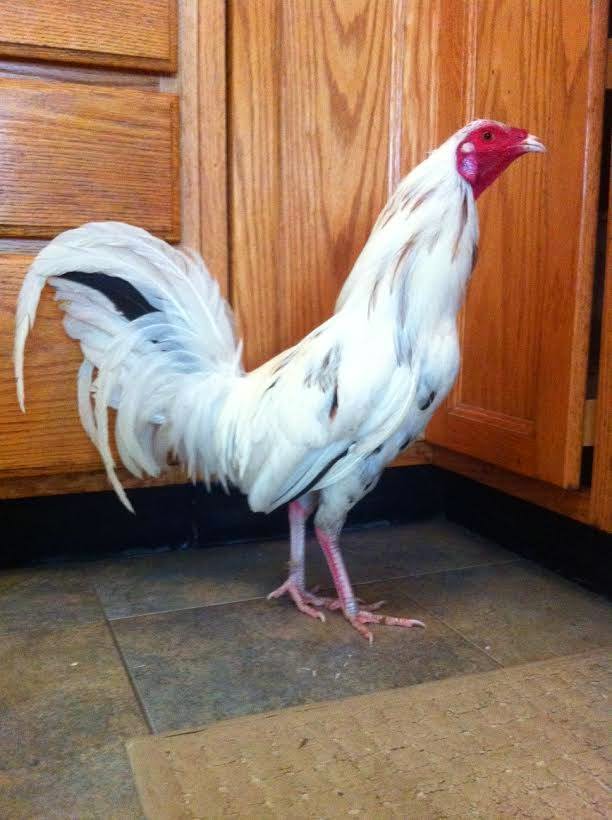
Does your farm need some more friends? Heartland Farm Sanctuary recently rescued 126 chickens from a cockfighting ring in Glenwood City, WI. Now it's time to find loving homes for these beautiful birds! Pictured is Malcolm, a young Kelso rooster who loves people. If you're interested in Malcolm or any of the other adoptable birds, contact Quincy.Markowitz@HeartlandFarmSanctuary.org . Make sure you follow Heartland's Facebook page, as they will be posting info every Friday about other adoptable birds from the "Cluck Club".
If a pig or sheep more strike your fancy, check here:http://heartlandfarmsanctuary.org/rehoming-program/ There are some special barnyard friends waiting for a new home--could it be yours?


Boarding Kennels For Pets

Friday, April 4, 2014 Comments

Have you ever gone out of town and needed somewhere for your pet to stay? A boarding kennel is an ideal location as it provides a safe environment as well as the interaction with other pets and people. You can also take your pet to a boarding kennel during the day if you don’t want to leave it at home while you work. These locations are also good for those who want their pets to be trained to listen to commands.

Many of the boarding kennels are more like hotels for animals like dogs and cats than they are kennels. There are accommodations like comfortable beds and pools so that your pet is in the best possible place while you are gone. Some facilities also have parlors where pets can get a good bath, their hair clipped or nails clipped and painted. Yards are usually fenced in so that the animals don’t get in the road. Quality dog food is given as well as plenty of water. There is room to play with toys and other animals in the facility. Staff members try to answer as many questions as possible so that pet owners feel safe leaving their animals at the facility. This website, as well as others, can answer many questions that you might have.

February is "People for Pets" month at Mounds Pet Food Warehouse!

Tuesday, February 12, 2013 Comments

If you don't already do your pet supply shopping at Mounds Pet Food Warehouse, now is a great time to check them out. February 2013 is "People for Pets" month at all Mounds Pet Food Warehouse locations! With every pet food purchase for the month of February, Mounds will donate 10% of the purchase price to the Dane and Rock County Humane Societies.


Buy food for your pets, and help support pets in need!

Valentine's Gifts for Pet Lovers

Monday, February 11, 2013 Comments

Wondering what to get your honey for Valentine's Day? If she loves pets, try these cute gifts.


Price: $68.89


Price: $60.00


Price: $23.50


Price: $66.80


If you need more ideas, click here for more gifts for pet lovers!

I'm Baaaaaaack!

Comments

I want to apologize for my long absence here at Mad About Pets. When I lost Andromeda to FIP late last year, it affected me really strongly. I couldn't bring myself to blog...particularly about pets. 


Now that a few months have passed, I'm back up to the challenge. Oh, and I have a new feline companion to cheer me on! Her name is Faye Valentine, and she's a lovely young lynx point Siamese (she's a dead ringer for our beloved Tinker.) She's fitting in like a real champ with Rory and Gabe, and we couldn't be happier with her.

The gorgeous Faye Valentine 
Thanks for sticking with me, and look forward to more posts from Mad About Pets soon!

Animart: Please stop declawing your kittens and cats!

Thursday, November 15, 2012 Comments

Southern Wisconsin pet store chain Animart chooses to routinely declaw all kittens and cats available for purchase/adoption in their stores. Please encourage them to stop this practice, and instead focus on educating their customers to make knowledgeable choices for their own pets.

Help out with this very important cause by click "Sign Petition" below!


A sad day for Mad About Pets.

Tuesday, November 6, 2012 Comments

About a week ago our Birman cat Andromeda stopped eating, and was acting lethargic. The vet came to our house on Thursday, examined her, and gave her fluids and an appetite stimulant. She also drew blood and took a urine sample. The next day the test results came back, and they were puzzling. We decided to give her fluids over the weekend, a general antibiotic, and an anti-nausea medication. Despite all the treatment, she still refused to eat over the weekend and I had to syringe feed her (which she despised!) At this point, Andromeda was no longer leaving our bed except to use the litter box. On Sunday, she began breathing quickly and slightly swaying side to side while she was laying down. She was still purring and responsive, however.

On Monday the vet agreed to come back in the evening and do a follow-up blood test. As we awaited the vet's arrival, we realized that Andromeda was no longer purring when we pet her. Her beautiful blue eyes were sunk back so far into her head that they looked pitch black; there was no spark of the cat I knew present in those eyes. Before the vet even arrived, my husband and I decided that it was time for her to pass. We took the vet up to our bedroom when she got to our house, and I could see the look on her face when she saw Andromeda: she knew it was time, too. The vet told us that a pathologist looked at Andromeda's blood test, and based on the levels and her symptoms, it was apparent that she was suffering from FIP (Feline Infection Peritonitis), a fatal and incurable disease.

Together with our veterinarian, we made the difficult decision to relieve Andromeda of her suffering and let her pass on. She was administered a sedative to make her unaware of the happenings, and I held her in my lap as the lethal overdose was administered. My husband and I stroked her soft, beautiful fur and kissed her head as she drifted off into a sleep she would never awaken from. We spent a few more minutes saying our final goodbyes, and then the vet wrapped her up in one of our towels, swaddled like an infant. She looked so peaceful, a perfect sleeping angel wrapped in a palm tree printed bath towel.

We have requested a private cremation and to have her ashes returned to us, where they will lay to rest next to the ashes of our beloved Tinker. We've also requested a clay paw print to remember her dainty, prescious paws (with the long fur that grew so adorably between her gumdrop pink pads.)

Andromeda--I love you, and I will miss you now and forever. You'll always be my Fluffernutter, my Birman Baby, and no one will ever warm my pillow at night quite as well as you did.

Wisconsin Dog Fair THIS SUNDAY at Alliant Energy Center!

Thursday, November 1, 2012 Comments

For more information about the event, click here.

Click here to read a past interview with Mad About Pets about the history of the Dog Fair and what to expect!

Burracho's benefit for Dane County K9's on October 23!

Tuesday, October 23, 2012 Comments

Please join the Dane County Sheriff's K9 Unit and Dane County K9, Inc. for dinner at Burrachos Fresh Mexican Grill on Tuesday October 23rd, 2012. Eat a great meal while raising funds for Dane County K9, Inc., the non-profit organization suporting the Sheriff's Office K9 Unit. Meet the teams and browse the apparel.

Infographic- Why Dogs are Epic!

Tuesday, October 9, 2012 Comments


Image source: MoneySupermarket;

Interview with Marie Moody, Founder and President of Stella & Chewy's

Friday, October 5, 2012 Comments

Many vets and pet owners are beginning to realize the benefits of feeding a raw, species-appropriate diet to their cats and dogs. One of the forerunners in offering a raw diet commercial is Stella & Chewy's, based out of Milwaukee, Wisconsin. Founder and President Marie Moody was kind enough to offer this exclusive interview with Mad About Pets and tell us about what makes her company stand out above the rest.

Marie with Stella and Chewy
(Mad About Pets) I understand that you are started Stella & Chewy's after your own dog Chewy was aided through illness by a raw diet. What are the benefits of a raw diet, and what types of common illnesses can it help prevent or treat?

(Marie) We have heard from pet owners that while feeding Stella & Chewy’s their animals have a healthier appetite and better digestion, increased stamina and vitality, healthier coat and skin and less ear and eye issue. We’ve also gotten feedback that while on this diet the animals have fewer allergies and less obesity. The food increases not only the quality of life for the pet but also longevity. Stella & Chewy’s philosophy is based upon what pets naturally eat in the wild. Our frozen and freeze dried foods are made without using any heat. Foods that are processed above 120 degrees have less active enzymes and the vitamins and minerals are also impacted by heat. The food is therefore not as bioavailable. Stella & Chewy’s products are made without grains, fillers, artificial preservatives, added hormones or antibiotics. We don’t add sugar, salt or colorings. Stella & Chewy’s offers 100% complete and balanced dinners for dogs which are 95% raw meat, poultry and fish, 5% organic fruit and vegetables with added probiotics, vitamins and minerals.

Many pet owners are leery of raw food diets because of the threat of foodborne illnesses. How does Stella & Chewy's ensure that their foods are safe?

When I first started "S & C" I didn't know a lot about the regulatory side of pet food. Then a couple of my competitors were recalled for salmonella and I quickly educated myself about it. Since the FDA mandates a 0% tolerance for salmonella in pet food, it was a challenge to figure out a way to address the issue when it’s so frequently found in chicken. I had to figure out how to do it without using heat, radiation or chemicals that would alter the food from a raw state. I found a technology called HPP- hydrostatic high pressure which is essentially cold water pressure that kills vegetative bacteria without altering the enzymes and vitamins and proteins. Stella & Chewy’s was the first company in pet or human food to use this technology in a prepackaged product. That technology combined with advanced oxidation units which omit a low level of ozone and hydrogen peroxide which kill airborne bacteria...same technology that's used on cruise ships.....is the patent pending process that we use. This keeps the raw foods safe for pets and their owners. In addition we test every batch of frozen and freeze dried products at an independent lab and post the results on our website. Customers can go online and match the batch number off their bag of food to the corresponding number online and see the results

Stella & Chewy's offers both frozen and free dried raw diets for dogs. Is there a nutritional difference between frozen and freeze dried? What are the advantages of one over the other?

When I took Chewy to the vet and found out how sick he was the vet recommended home prepared meals. I researched options and thought a raw diet made sense because it was species appropriate. It simulates how they eat in the wild and how their ancestors ate; no thumbs to make fires, no cooked foods. Foods cooked above a certain temperature lose much of their nutritional value and natural enzymes. Raw foods have natural enzymes, which are critical in building proteins and rebuilding the body. Both our freeze–dried and frozen products are raw and they do not differ nutritionally. The biggest difference is one is shelf stable and the other is frozen. The great thing about the freeze-dried is that it’s very convenient and easy to use. It’s a great option for a pet owner who’s either not familiar with or not committed to feeding a 100 % raw diet. The freeze-dried products enable him/ her to incorporate at least some raw into what is presently being feed. The freeze- dried is also extremely palatable, offers a long shelf life and is easy to travel with.

I notice that for cats, Stella & Chewy's currently offers freeze dried diets only. Is there any plan to introduce frozen patties into the current feline line of products?

At this point in time we are focused on the freeze-dried products for cats.

What would you say the biggest difference is between Stella & Chewy's and other raw food diets currently available on the market?

One big difference is that we have our own manufacturing plant in Milwaukee, WI. We have complete control over all aspects of the manufacturing and production of our products. We’ve implemented a safety process that ensures our products are free from harmful bacteria. We use only organic fruits and vegetable, cage-free poultry, wild- caught fish and naturally raised beef. Quite possibly the biggest difference between Stella & Chewy’s and other raw food diets is that we’ve made it very convenient to feed a raw diet.

Does Stella & Chewy's have plans at this point to introduce any new flavors to the cat line?

Stella & Chewy’s has recently introduced a new line of freeze-dried cat dinners in six varieties, all made from wild-caught fish and cage-free poultry. The dinners are available in Chick, Chick Chicken, Tummy Ticklin’ Turkey™, Duck, Duck Goose, Heavenly Herring & Tuna™, Sea-Licious Salmon & Cod™, and Yummy Lickin’ Salmon & Chicken™. The line includes the first-ever, single-serve dinners for cats, ideal for finicky eaters and to add mealtime variety. The single-serve pouches provide consumers ease-of-use and convenience – just add 3 tablespoons of warm water, mix & serve. Re-sealable 12 oz. bags provide customers the opportunity to purchase larger sizes once their pets establish favorites.

If you could give readers one piece of advice when it comes to pet nutrition, what would it be?

Good nutrition is the single most important factor in promoting longevity and quality of life for your pet.

COMING SOON: Mad About Pets puts Stella & Chewy's to the test!

Enhancing Your Cat Care with Clicker Training

Monday, October 1, 2012 Comments

Lots of people clicker train their dogs, but few people (even savvy cat owners) realize that clicker training a cat is not only possibly, but quite easy! The general opinion among the human population is that cats cannot be trained; they do things their own way, and that’s just the way it is. The truth is, cats can definitely be trained…it’s just a matter of finding what motivates them. Dogs are motivated by food but also by their need to be a member of the pack. In their minds, they are in constant danger of being designated the pariah of the pack so they try their hardest to please the other pack members (your family.) Cats, on the other hand, do not have a pack mentality. When it comes to cats, there is one surefire motivator: FOOD.

Photo credit: for-cats-only.com
The person in charge of the majority of cat care in your household should have a pretty good idea what food motivates your kitty most. Some cats might enjoy some little tidbits of meat or even a small amount of yogurt. Another easy training tool for cats are commercially available cat treats that come in 7 flavors. These are easy to keep in your pocket during a training session. Remember though: calories add up fast for a kitty, so always keep track of how many treats you give your cat during training, which is another important part of cat care!

So why exactly would you want to clicker train your cat? Some people enjoy feline clicker training for the extra bonding time they get with their cats, and the mental challenge and stimulation it provides indoor cats. Cats can be taught useful behaviors like sit, stay, and even how to walk properly on a leash. Other people use clicker training to teach their cats “parlor tricks” like shake, play dead, or to walk on the hind legs. It’s best to start simple and play to the cat’s specific strengths. "Sit" is a simple and useful first behavior to start out with, and will give your cat a good idea of how the behavior/reward correlation works. For more advanced behaviors, it’s always easier to build on a behavior your cat already exhibits. If your cat likes to stand up on his hindquarters, teach him to do it on command. If your cat likes to roll onto her back, teach her to roll over on cue. Building on natural behaviors is a quick and easy way to add to your kitty’s training arsenal.

Clicker training principles for cats are essentially the same as they are for dogs. When a behavior is properly performed, the behavior must immediately be followed with a click of the clicker and a treat. It’s essential that the cat understands the correlation between the behavior and the food reward; if you’re too slow to the punch, your cat may not make the mental connection. It’s also crucial that the verbal and non-verbal cues you give your cat are consistent. If you use a verbal signal like “Sit!”, always use the same tone of voice, the same volume, and the same word every single time. For non-verbal cues like a hand signal, the same idea should be applied. The key to successful training is consistency and repetition. Though it may seem tedious at first, you will be so proud of your kitty cat when they master their first learned behavior!

Watch this video to learn more about the basics of clicker training:

Q & A: How Do I Transition My Cat to a Canned Food Diet?

Wednesday, September 26, 2012 Comments

Recently a reader wrote me asking for tips on how to transition her cat to a canned food only diet. I figured this information might be helpful to other readers as well, so here was my response:

Some kitties take to switching to canned very easily, while others are definitely die-hard kibble munchers! For starters, you should get the kibble completely out of the house; if the cat can even smell it in the cupboard, they will know it is there and hold out for it.


One of Mad About Pets' cats' favorites!
For my cats, I discovered that each of them was picky about flavor and texture. One of the cats would only eat pate, while another preferred shreds. I went to the pet store and bought a huge variety of different flavors and formulas to see which ones would be the most popular. Granted I ended up with a lot of wasted cat food, but at least I figured out which flavors worked out best! My cats ended up deciding on Holistic Select Chicken & Lamb, Holistic Select Duck & Chicken, Merrick Before Grain Quail, NutriSource Chicken & Rice , Nutro Max Cat Turkey & Giblets and Nutro Max Cat Chicken & Liver. Some of those are better than others, like the Merrick food doesn't have any grain or vegetables. I try to give them a mix, though, so they don't get bored of one flavor. The less grain or vegetables the better when it comes to moist food. In the "wild", cats wouldn't eat grains or vegetables beyond what is contained in the entrails of their prey. Grain and vegetables look nice in the ingredients list, but they're just filler.

One thing I look for when buying canned foods is I don't want anything that had seafood as an ingredient. You have to check the labels because many of the foods will have seafood flavoring hidden in the ingredients to make it tastier to kitties. However, many cats develop allergies and sensitivities to seafood, or will refuse to eat anything else if they are offered seafood. Since my kitty Gabe has IBD, it was especially important for him to stay away from seafood. Most "normal" cats can have seafood a few times a week, but I prefer to just keep it out of my house altogether and try to focus on foods that would be more typical of a cat's prey like foul.

The tasty probiotic FortiFlora
For kitties that are stubborn about moist food, there are a few tips you can try to make the food more tempting to them. You can try mixing some warm water into the food; this brings the scent out and sort of creates a "gravy" they can lap up. You can try sprinkling some Parmesan cheese on top of the food, or even crushing up some of the cat's old kibble and sprinkling it on top. If your cat likes tuna, you can try pouring some tuna water on top. Otherwise some kitties really like the flavor of the probiotic FortiFlora, and will eat just about anything you sprinkle it on (my Birman is nuts for this stuff.) Adding the probiotic would not be a bad idea anyway; it can help the tummy handle switching over to a new type of food and avoid diarrhea.

The main thing you have to watch out for with kitties when switching to a new food is Fatty Liver Disease (Hepatic Lipadosis). If a cat refuses to eat, his liver is forced to use fat from the body for energy (which it is not very good at converting). The liver can't handle this, and essentially becomes loaded with fat. This is almost always fatal in cats without proper treatment. Cats can go about 2-3 days without eating, but after that the risk of Fatty Liver is great. As long as your kitty is eating a little, though, the body won't have to resort to using those fat stores exclusively. The best thing you can do is break the feedings up into 2-3 meals per day (preferably 3). If you give the cat a whole can of food at once, they're probably not going to be able to eat it all at once. In the "wild", a cat would eat several times a day so doing multiple feedings will mimic that. Hunger can be a great asset in convincing your kitty to switch to moist food, so if the cat doesn't eat for a day it's going to be ok. They may try a hunger strike with you and hold out for kibble, but after a day they'll be hungry enough to eat the moist whether they want it or not! Whatever you do, just be certain your cat is getting at least a little food in her system during this transitional period and always has access to plenty of fresh water.

If you're used to offering your cat a free freeding kibble buffet, you may be unsure how much moist food your cat needs on a canned only diet. The rule of thumb is this: 5-6 oz per each 7 pounds your cat weighs. Most canned food comes in 5.5 oz cans, so a 7 pound cat will eat one can per day. Weight and activity level are both factors in determining how much your cat should eat. If she's an overweight couch potato, stick with one can per day. If she's a lean and active kitty, you'll need to feed a little more. You'll want to feed at each feeding no more than your cat can eat in 30 minutes; a little trial and error and you'll figure out your kitty's necessary feeding amounts.

How to Choose the Best Dog Food for Your Dog’s Size

Tuesday, September 25, 2012 Comments


Choosing the right dog food for your dog can be a challenge with all of the different options available. Whereas most cat breeds are generally about the same size and vary only moderately in activity level, dogs run the gamut from teeny tiny pocket puppies to huge Irish Wolfhounds. Since there is no “one size fits all” for dogs, how does one go about choosing the right food option?

Photo credit: mrbigben.com
The first thing to consider is the size of the kibble or chunks. A big dog will have no trouble gulping down kibble or meat chunks, but a smaller toy dog needs a food that reflects his small stature. Many top manufacturers are now offering food that is easier to chew, swallow and digest for small dogs. For very small breeds like Chihuahuas or Miniature Pinschers, a general “adult dog” kibble is going to be far too large for them to eat comfortably. For these small dogs, specialty dog foods for especially for small dogs are the best dog food, and of course come in many delicious flavors to tempt even the pickiest pooches.

Another thing to consider when selecting the right food for your dog is the breed’s energy requirements. Larger dogs require more carbohydrates to stay active than smaller dogs. Again, most general dog foods are catered to medium-to-large breeds and therefore contain more carbohydrates. Foods tailored specifically to smaller breeds contain less carbs and are more nutritionally suited to the needs of small dogs. Every dog food will have feeding directions on the bag, but it’s never a bad idea to do the math and figure out exactly how many calories your dog needs. Here’s the formula to determine exactly how many calories your dog requires:

Body weight (kg) x 30 + 70 = Daily Calories Needed

This formula can be used as a basic guideline for your dog’s caloric requirements. However, energy levels should also be taken into account. A dog who runs 5 miles a day will need more calories than a dog who never leaves the couch! Always monitor your pet’s weight carefully and adjust the amount of food being offered to reflect any weight changes or gains. Nutrition for dogs, just as it is for human, is a complicated subject; talk to your vet for help with determining the best diet for your dog’s needs. 

Guest Post from Barbara Lampert: What Living with Dogs Means to My Family

Monday, September 24, 2012 Comments

Barbara Lampert and Charlie
Thank you so much for hosting me on your site. I love its name, Mad About Pets – it’s perfect!

You asked me to talk about Charlie, my Golden Retriever who is the subject of my dog memoir Charlie: A Love Story, about the impact he had on my family, and about what living with any dog means to a family. Great topics – and fun to think about!

I love all dogs and have all my life. I’ve had a number of them, at one point four dogs and two cats, which was paradise! Mostly I’ve had Golden Retrievers, whom I just adore. For me they’re the perfect family dog: smart, very playful, and endowed with an abundant emotional intelligence that makes them very sensitive to people’s needs and wants. They love people, adults and children, and other dogs, so they fit easily into a family. But because of these wonderful qualities, don’t look to the Golden Retriever to be a great watchdog! If you want protection, I suggest almost any other breed.

Because dogs are pack animals, the family group is perfect for them, one most of them love and can enhance. Most dogs love unconditionally, are enthusiastic and joyful, love to play, are loyal, can be made happy by the simplest of things, live in the moment, and prefer being close to nature – in their essence, they remind us about what’s important in life. These qualities of these very special beings are great gifts for a family.

Charlie brought these gifts and more. Starting when he was very young and throughout his life, what he wanted most was to be with his family and in his house. That meant everything to him, far more than being out and about. Sometimes when Charlie and I would be out walking, he’d decide we’d gone far enough. So he’d sit down and not budge until I capitulated and said we were going home. He’d then stand, tail wagging energetically, and walk to his home.

Charlie was extremely empathetic, had an uncanny ability to tune in. I always felt understood by him. Lots of people did. So many times I’d hear other people say, “He seems almost human…It’s like having another person around.” Charlie was very grounded and solid. No jumping and barking unnecessarily, no shaking or pulling when we went to the vet. There was a calmness about him which he carried with him always, even through a number of very difficult circumstances. In the words of Fran Lewis, a reviewer on Goodreads:

“Charlie had a special glow, energy, strength that most of us wish we had in times of illness, strife and stress… He truly lived his life to the fullest.”

Charlie brought all this to our family, and to me. He was easy to be with, a Buddha, no matter what was going on. Problems for Charlie were like gnats going by. He’d get through them calmly and then bounce out of them with joy, at times doing much better than before the problem happened. He was like this for his entire life – every single year and every single minute. He was exemplary. Even just after a surgery or other serious health event, there he’d be, raring to go after having encountered what many dogs probably would not have pulled out of. Charlie taught us to forge ahead, no matter what. He was a master, indomitable.

His whole life Charlie also had a wonderful sense of humor. When something he did made people laugh, I could see him actually be pleased with himself. One of his nicknames, given to him by our housekeeper, was “Funny Charlie.” To this day, when I think of Charlie, I smile.

Let me tell you about a few of his funny ways. Charlie threw his paw high in the air when he wanted something, usually to be petted. For such a large dog, that was the cutest behavior. And if I sat on the floor cross-legged, Charlie (all one hundred pounds of him) would back up like a truck, plop himself backwards into my lap, and then turn his head and, with a big smile, look at me. Of course I’d be laughing as he did this.

And then sometimes I’d lie on the floor with my knees raised, to rest my back, and as soon as Charlie saw me doing that, he’d come over and lie across me, actually pinning me down, again with that great big grin on his face. I’d be laughing hysterically and usually would need help to get him off of me. He was so proud of that behavior. Of course, because Charlie saw me laughing so hard at things he’d do, that would encourage him to keep on doing them. Even when Charlie didn’t feel well, it was sometimes difficult to know that, because his sense of humor seemed to override everything.

Charlie was an old soul, yet one who acted like a puppy all his life. He was generous of himself, giving so much to me and to our whole family. His character made him a central grounding figure in our family. Even now, I still ask myself, “What would Charlie do?” And I think Charlie’s beautiful, wise, and very solid character contributed to his long life.

Charlie served as an example of how to live. He was an extraordinary being. Who lived an extraordinary life. And ours was an extraordinary relationship I feel blessed to have shared with him.

Betty White once said, and I wholeheartedly agree: “Once someone has had the good fortune to share a true love affair with a Golden Retriever, one’s life and one’s outlook are never quite the same again. A warm afterglow remains that lasts a lifetime.”

All my dogs have given me the feeling of being a part of a wonderful family, Charlie maybe more than most. But then again, dogs are family for me.

Again, thank you!

And happy reading to all!

Barbara Lampert is the author of "Charlie: A Love Story" and a psychotherapist specializing in relationships. She lives in Malibu, California. Her passion is dogs.

Mad About Pets' review of "Charlie: A Love Story" can be found here.

Related Posts Plugin for WordPress, Blogger...

Follow Me


Facebook Twitter G+

Got a tip?


If you know of an upcoming event, a cool product, a new pet supply shop, etc. in the Madison, WI area, please let me know!

Pet Jobs